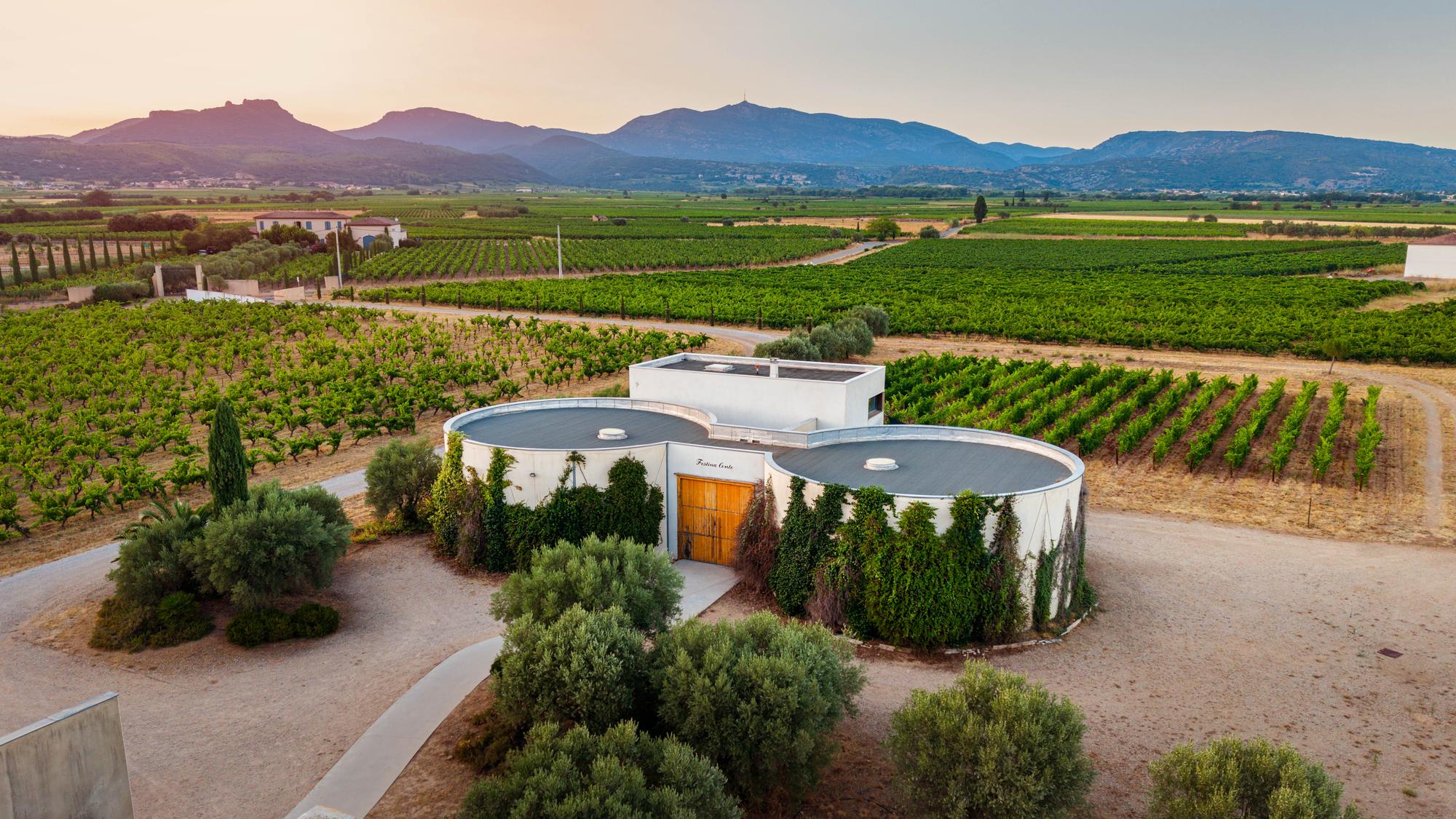
Le Mas de l'Écriture
One Life One Blood One Love : Fine Wine
Una sola vida, una sola sangre, un solo amor: el gran vino
Ein Leben, ein Blut, eine Liebe: großer Wein
حياة واحدة، دم واحد، حب واحد: نبيذ عظيم
一生 一血 一爱:佳酿
Le Mas de l'Écriture
One Life One Blood One Love : Fine Wine
Una sola vida, una sola sangre, un solo amor: el gran vino
Ein Leben, ein Blut, eine Liebe: großer Wein
حياة واحدة، دم واحد، حب واحد: نبيذ عظيم
一生 一血 一爱:佳酿
Mas de
l'Écriture
Are you of legal drinking age?
Excessive drinking is harmful to health — please drink responsibly
02 · The Estate
When the juice of the vine replaces the ink of the pen.
“So that words would not be all that remained, I named the estate Mas de l'Écriture.” The sentence runs across every label in tight calligraphy. It says everything about the project.
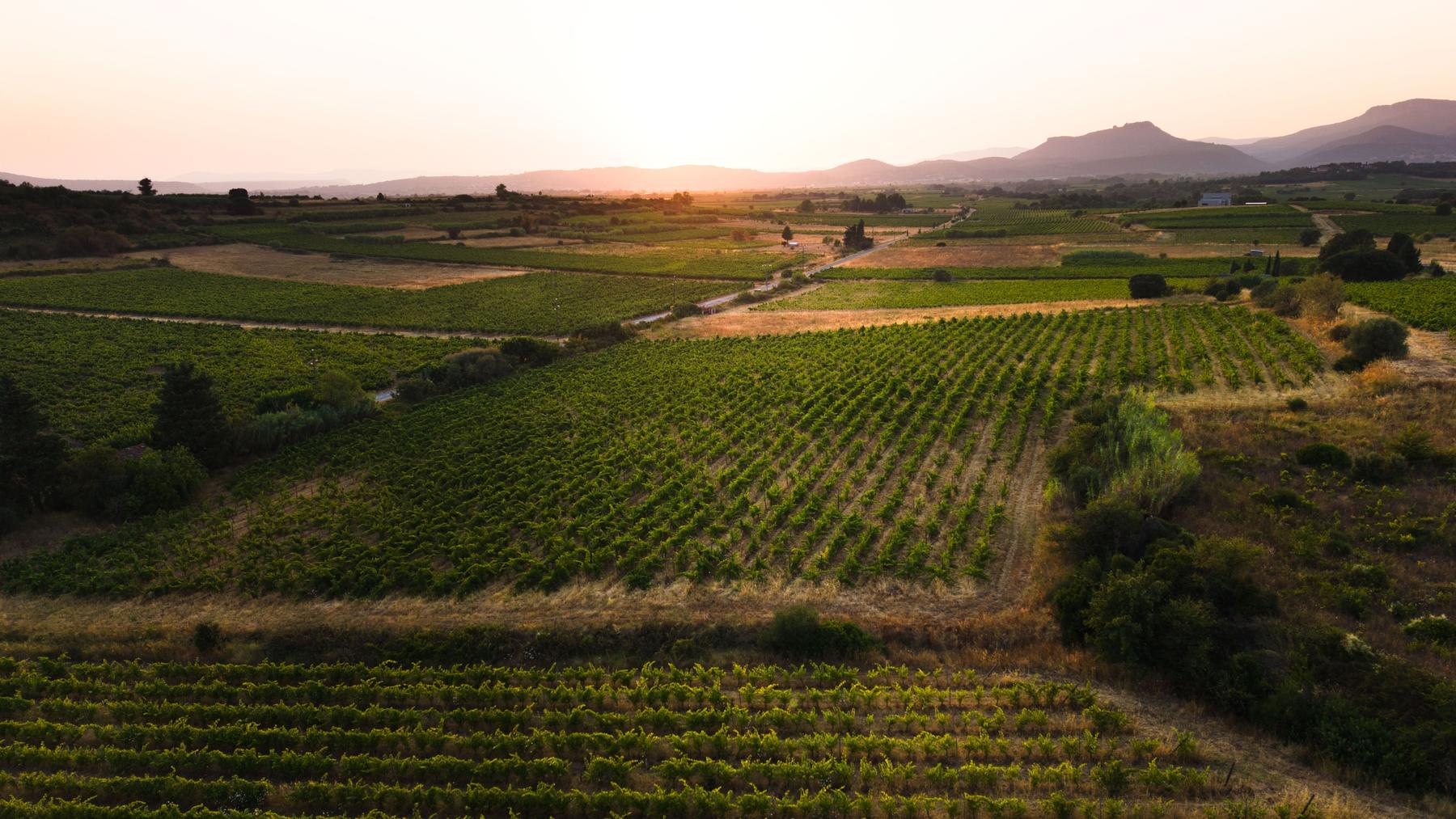
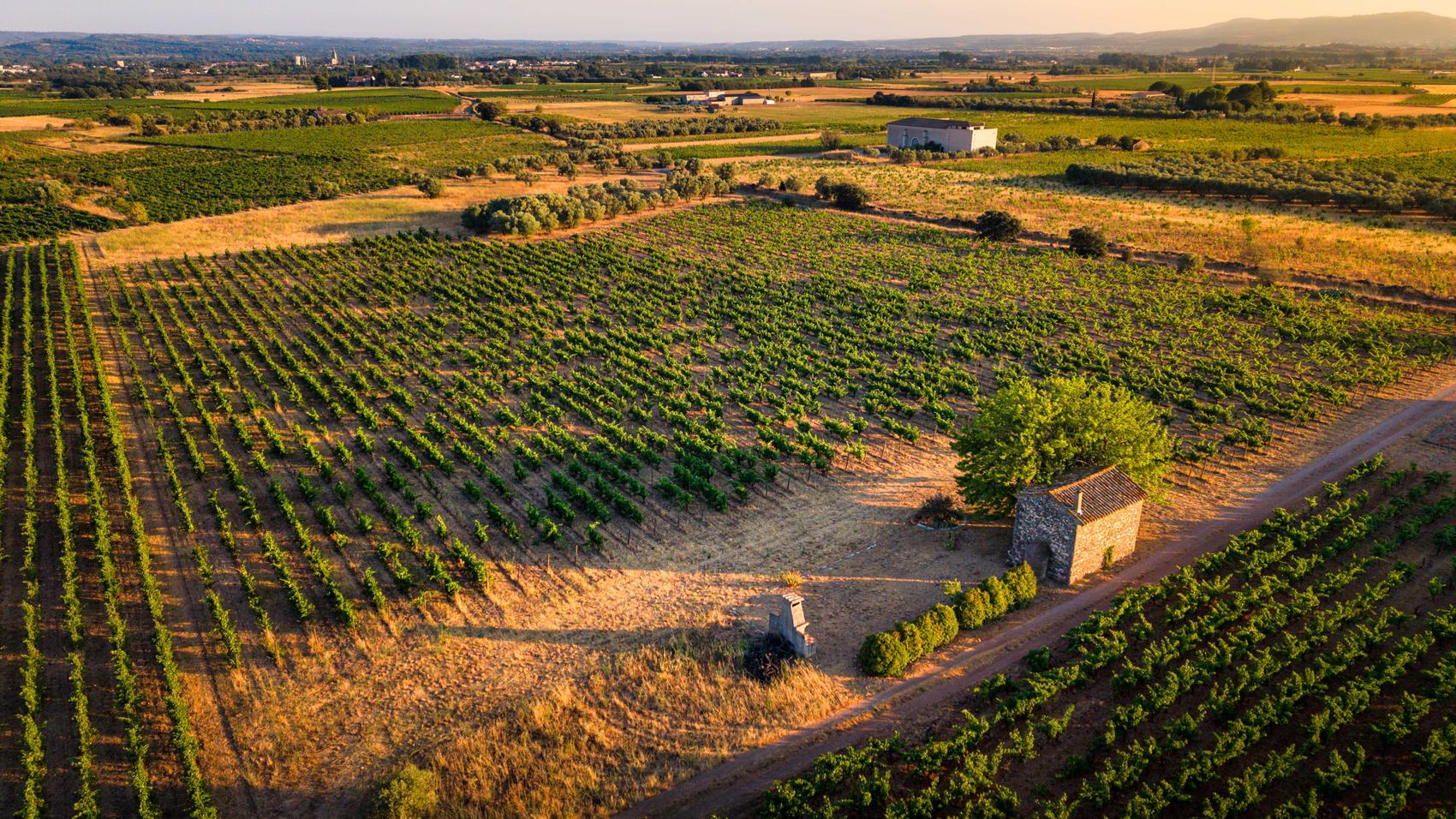
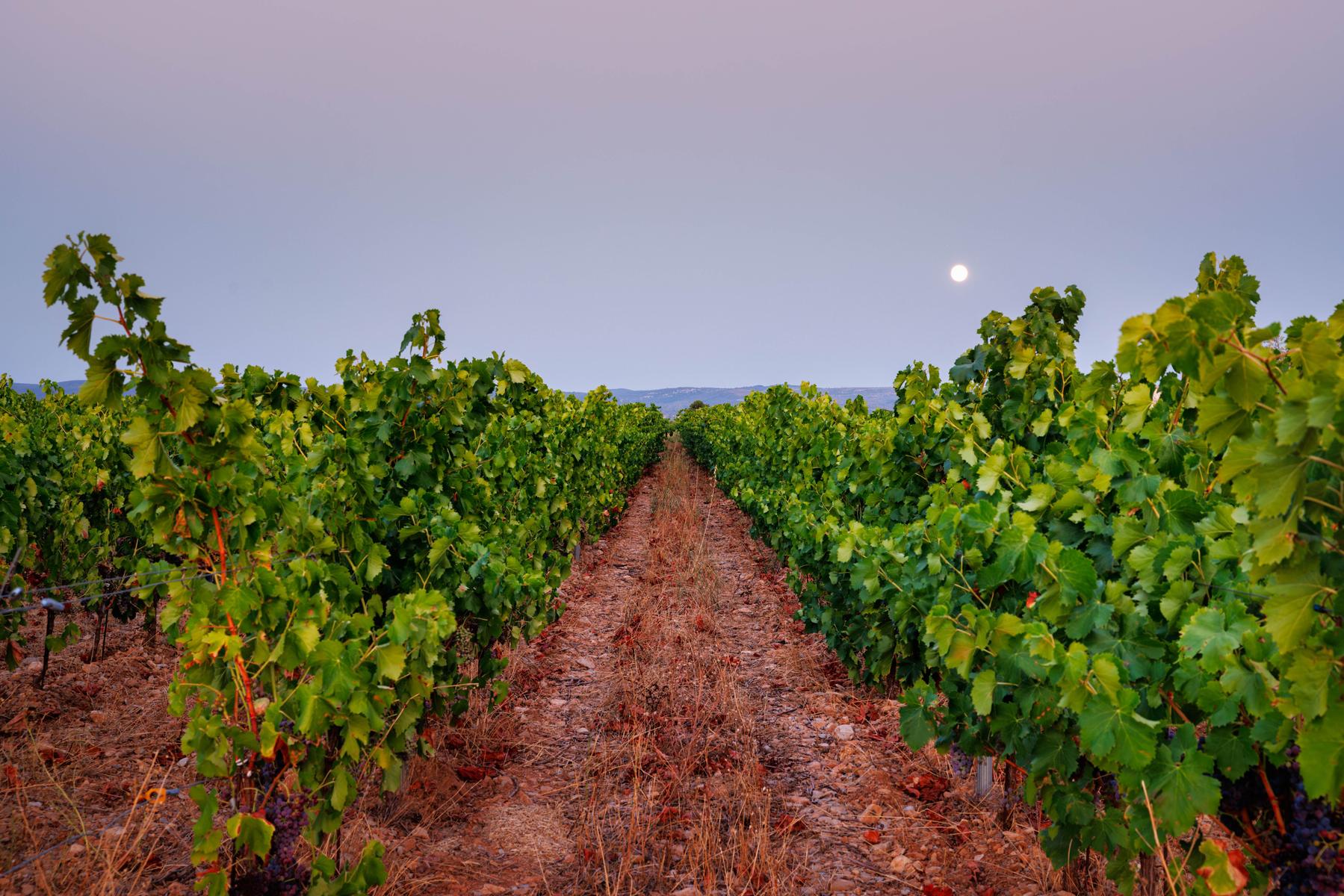
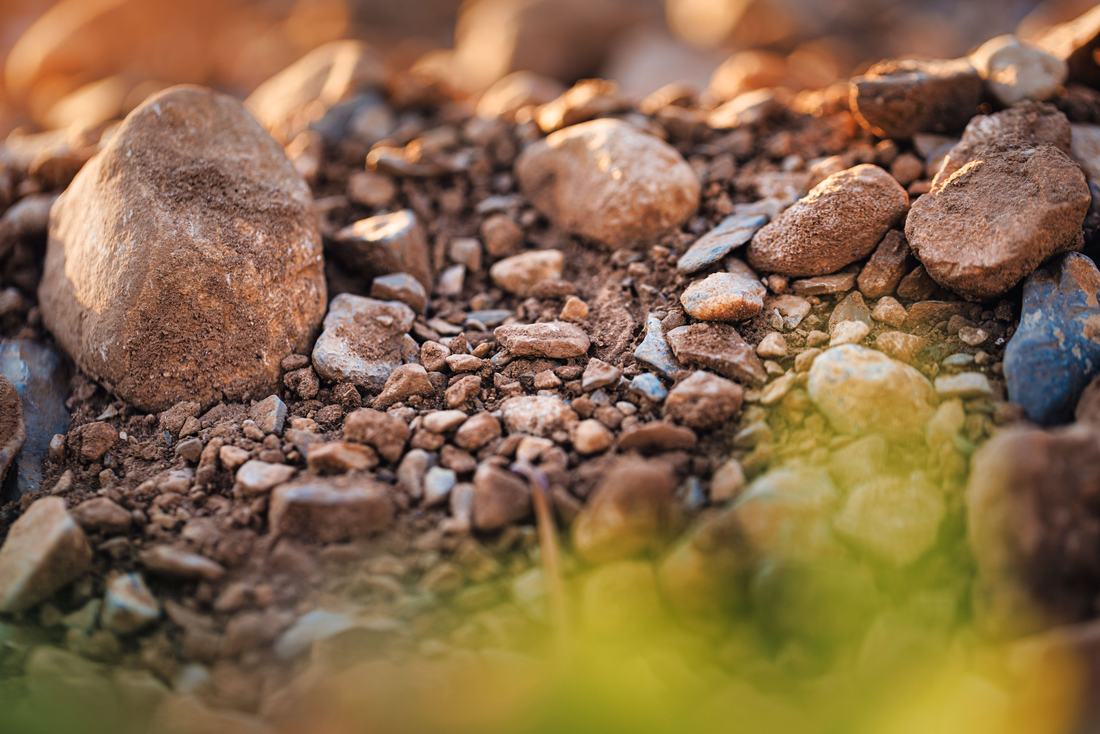
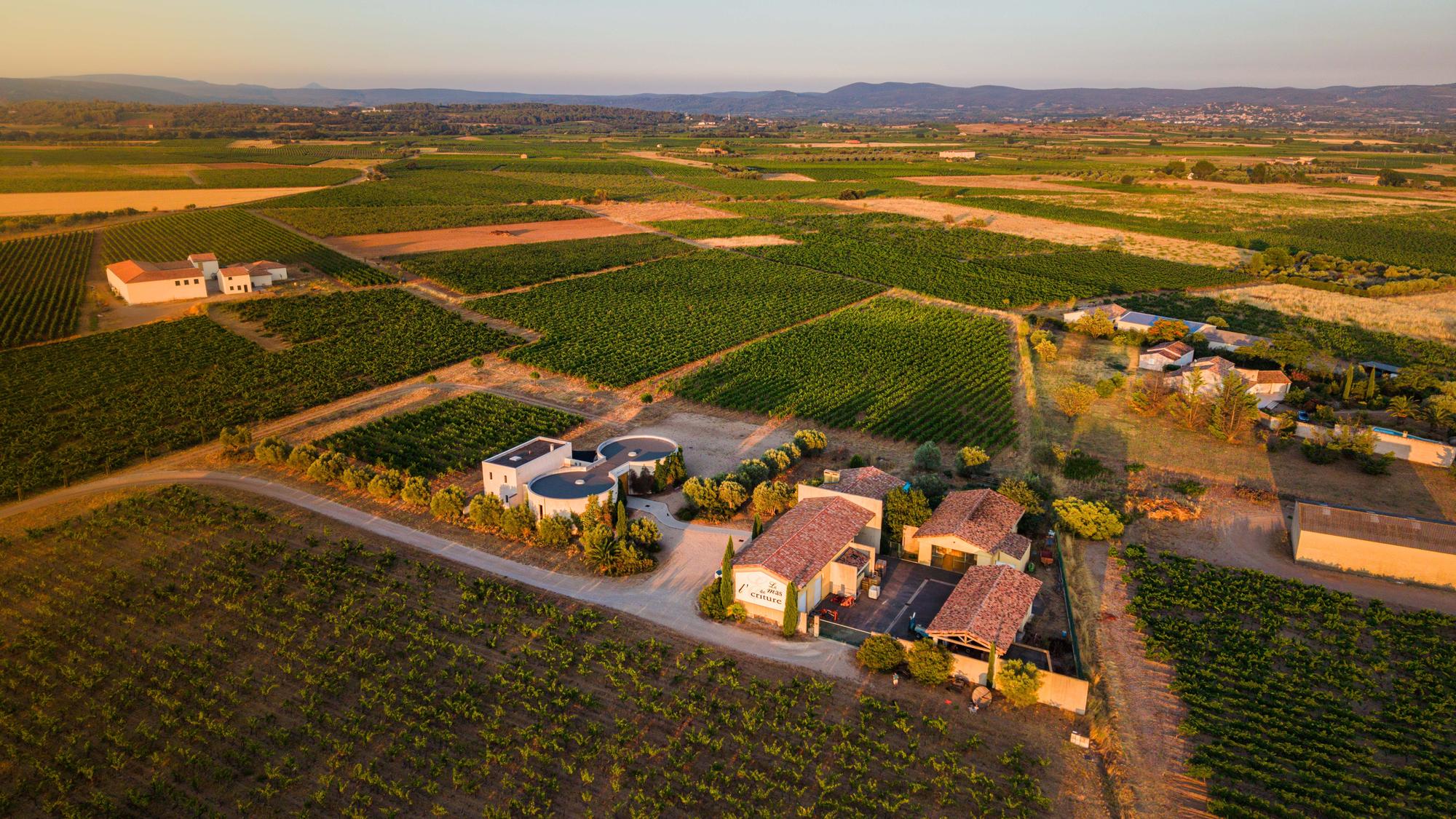
The vines grow on three soil types: clay-limestone, clay, and rolled pebbles. The wind coming down off the causse and the sea air rising from the Mediterranean maintain the temperature swing the grapes need to keep their freshness.
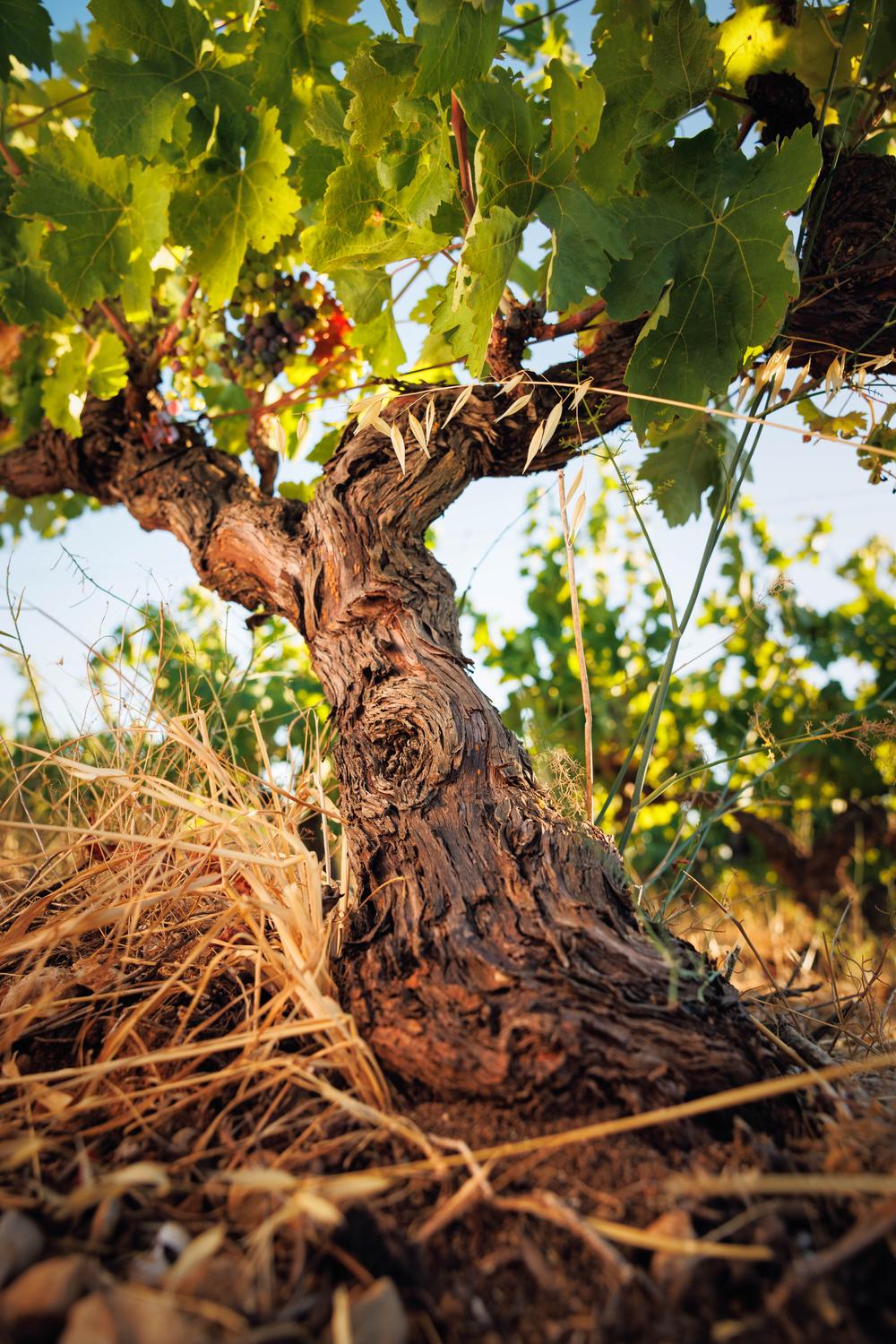
It is this meteorological particularity, more than the Languedoc climate in general, that gives the Terrasses du Larzac its signature. The estate today farms nine hectares, planted with syrah, grenache, mourvèdre and carignan. The oldest goblet-pruned vines yield little but speak with the accent of our soil.
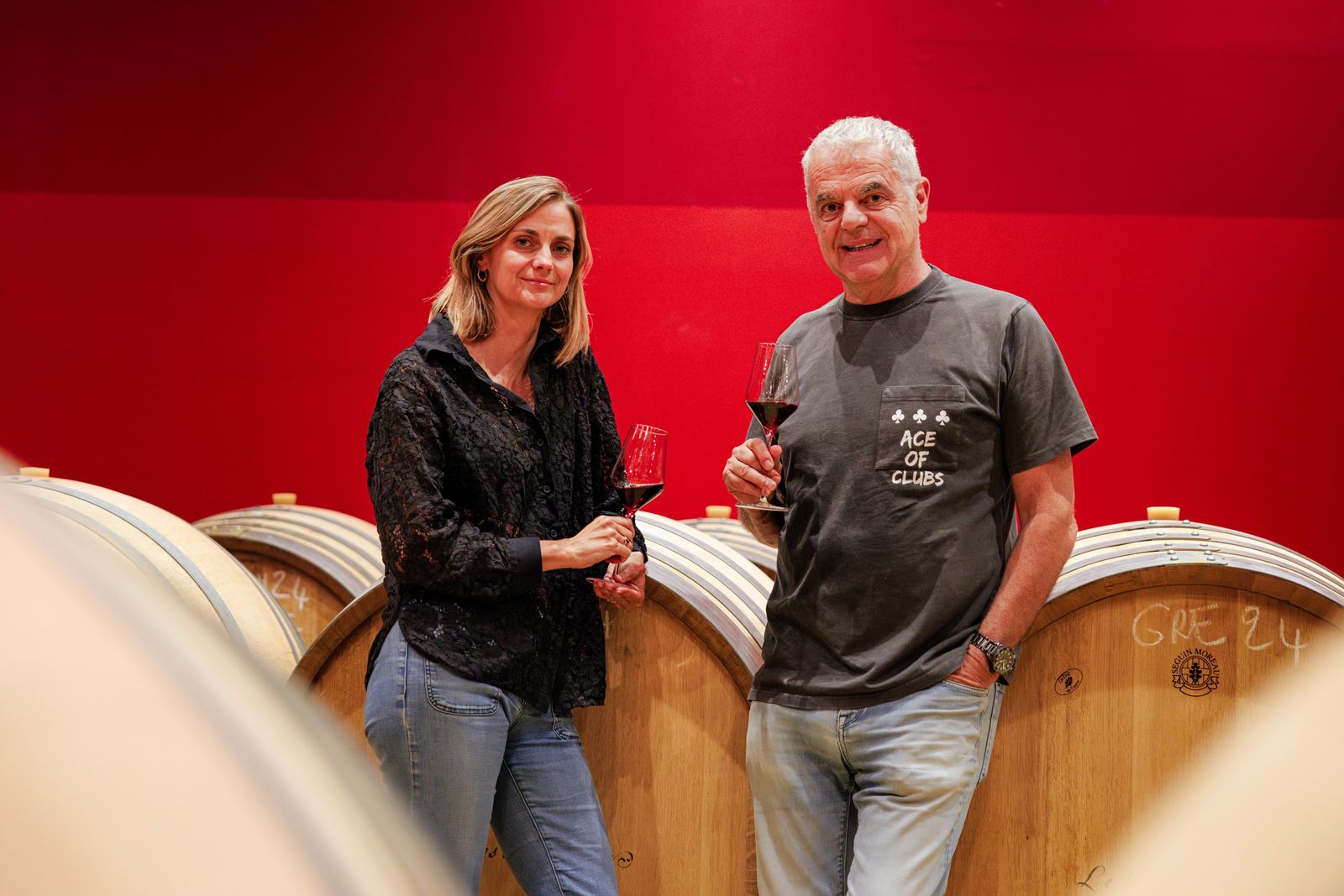
The handover happened in family continuity. Pascal planted new vines, built the cellars, named the cuvées and drew the first labels. Léa carries the work forward with her intuition and her elegance.
Pascal and Léa vinify together, taste, blend, and vintage after vintage write the estate's story.
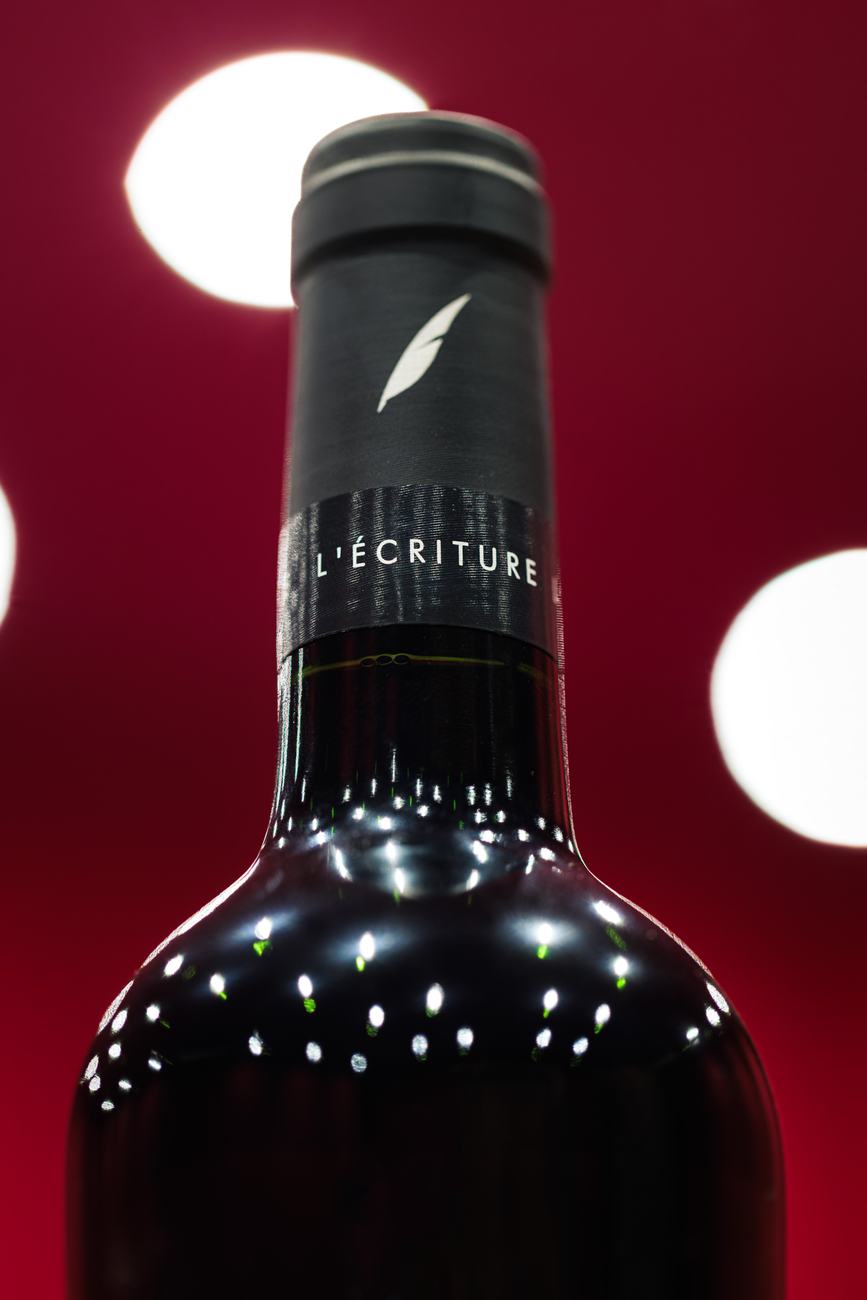
The names of the cuvées are not an affectation or a marketing device, but a choice of thought and of the heart.
Antoine de Saint-Exupéry's line — « It is only with the heart that one can see rightly; what is essential is invisible to the eye » — inspired us when it came to naming our cuvées. Victor and L'Émotion are the heart speaking; Les Pensées, the mind of the estate; L'Écriture is life itself.
That leaves Victor, the only first name among the words. Origin of the name to be confirmed with the family.
Read in that order, the cuvées trace the path of a piece of writing: emotion, then thought, then text. A vintage reads back like a page — with its tics, its progress, sometimes its crossings-out.
In pictures
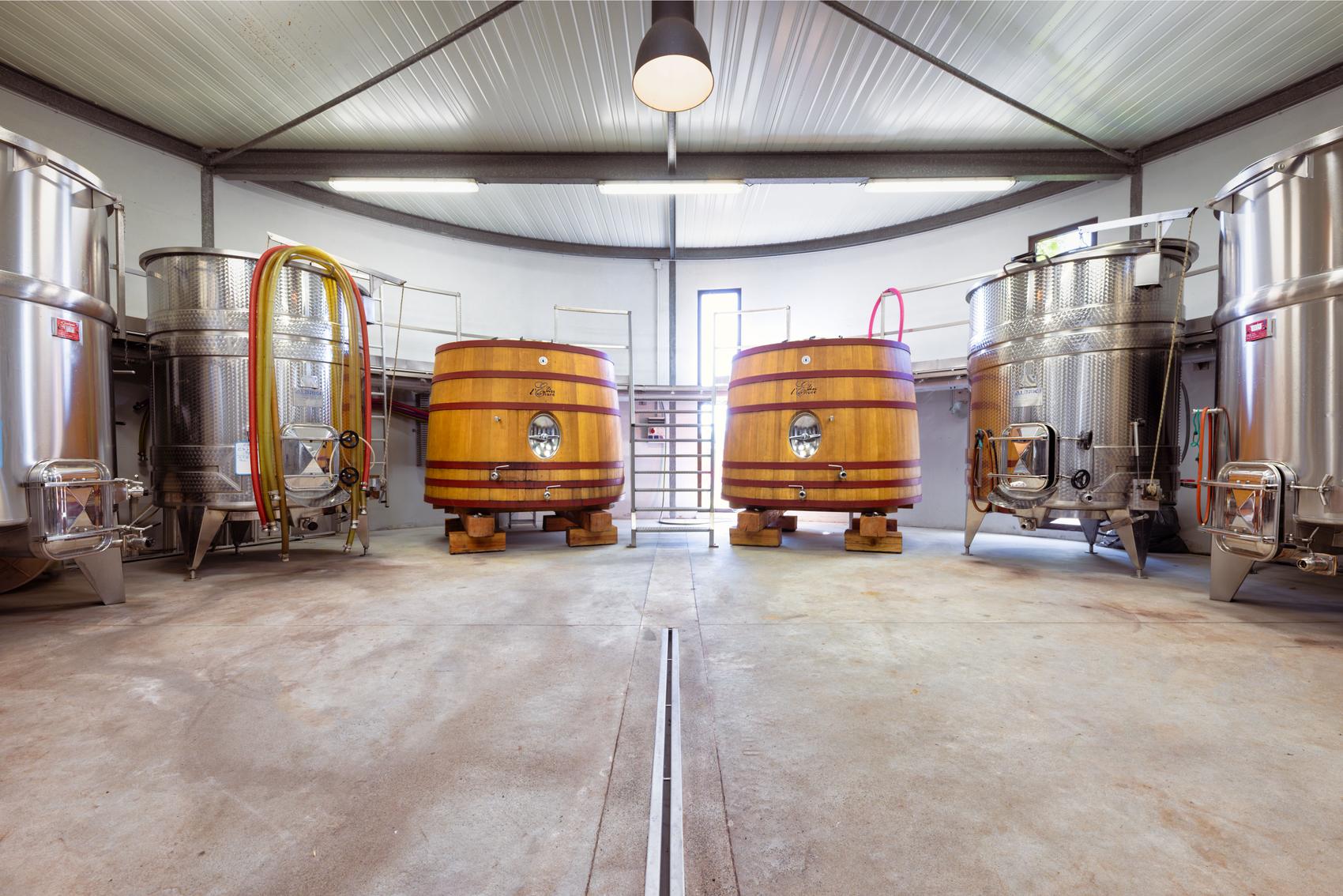
The cellar
Excessive drinking is harmful to health — please drink responsibly